India’s AI Leap: How Artificial Intelligence Is Rewiring The Nation In 2026. NEW DELHI: The conversation around Artificial Intelligence in India has shifted from “Will it happen?” to “How fast can we adapt?” As we settle into 2026, the digital landscape of the subcontinent is being rewritten by algorithms that are as complex as they are transformative. From the bustling tech parks of Bengaluru to the verdant fields of Punjab, AI is no longer a futuristic concept—it is the engine driving India’s next phase of growth.
But what does this mean for the common citizen? As the government pushes its ‘AI for All’ mandate, we analyze the sector-wise impact, the looming challenges, and the roadmap for a trillion-dollar digital economy. India’s AI Leap: How Artificial Intelligence Is Rewiring The Nation In 2026.
The Dawn of a New Digital Era
The adoption of Artificial Intelligence in India has seen a staggering 45% year-on-year growth. This isn’t just about chatbots or automated customer service anymore. We are witnessing a structural shift in how the nation functions.
“AI is not just a tool; it is the new infrastructure of India,” remarked the Minister of Electronics and IT during the recent Digital India Summit.
This sentiment is backed by data. A recent NASSCOM report suggests that AI-driven solutions could add $500 billion to India’s GDP by 2030. The primary drivers? Healthcare, agriculture, and education.
Why Focus on AI Now?
- Economic Growth: AI is expected to boost India’s annual growth rate by 1.3%.
- Global Positioning: India is poised to become the global hub for AI talent.
- Social Impact: AI solutions are bridging the gap between urban and rural India.
Revolutionising Healthcare: AI Doctors on Call
Perhaps the most critical impact of Artificial Intelligence in India is visible in the healthcare sector. In a country with a doctor-patient ratio of 1:1456, technology is stepping in to fill the void.
Predictive Diagnostics
Hospitals in metros like Mumbai and Delhi are now utilizing AI algorithms to predict patient deterioration hours before it happens. These systems analyze vitals in real-time, alerting doctors to potential cardiac arrests or sepsis onsets.
Rural Telemedicine
The real magic, however, is happening in Tier-2 and Tier-3 cities.
- AI-powered kiosks: These act as primary diagnostic centres in remote villages.
- Scan analysis: AI tools can now screen X-rays for Tuberculosis with 98% accuracy, a game-changer for rural health.
Agriculture 2.0: precision Farming
Agriculture remains the backbone of the Indian economy, and Artificial Intelligence in India is giving it a much-needed spine of steel. The unpredictable Indian monsoon is no longer the only master of the harvest.
Smart Crop Management
Startups are deploying drones equipped with AI sensors to monitor soil health. These devices provide data on:
- Moisture levels: Preventing over-watering.
- Pest infestation: Identifying threats before they destroy crops.
- Nutrient density: Advising farmers on the exact fertilizer mix required.
This “Precision Farming” has reportedly increased yields by 30% in pilot districts across Maharashtra and Andhra Pradesh.
The Employment Conundrum: Jobs in the Age of AI
Whenever we discuss Artificial Intelligence in India, the shadow of job loss looms large. Will robots replace the Indian workforce? The answer is nuanced.
The Shift in Skills
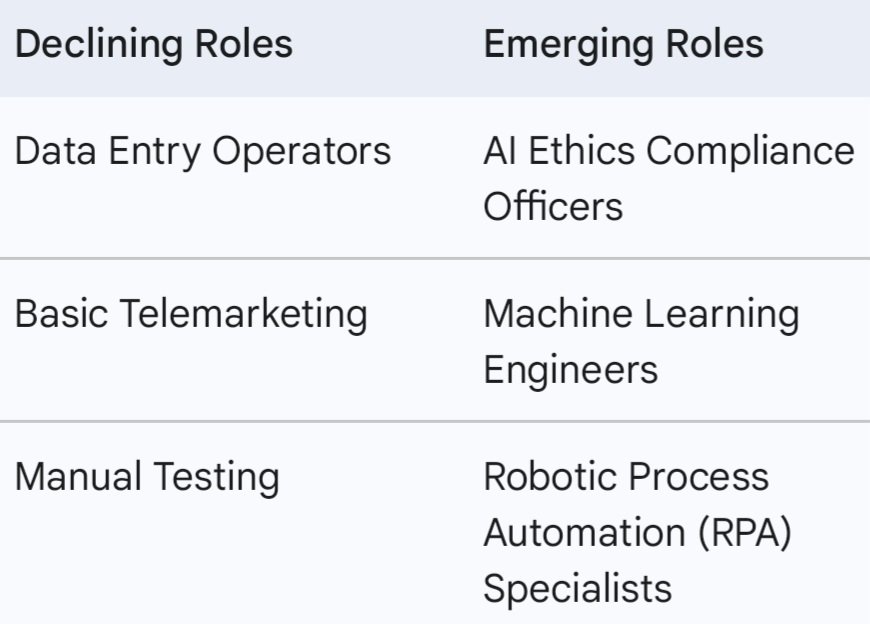
While repetitive jobs in data entry and basic BPO operations are declining, there is a massive surge in demand for high-skill roles. The job market is not shrinking; it is evolving.
Upskilling is the Key
The Indian government, in collaboration with ed-tech giants, has launched massive upskilling programmes. The goal is to train 10 million Indians in AI and ML (Machine Learning) competencies by 2027.
Note: If you are a student or professional, now is the time to pivot. proficiency in Python, data analytics, and prompt engineering is becoming as essential as English literacy.
Education: Personalised Learning for Every Child
The “one size fits all” approach in Indian education is being dismantled by Artificial Intelligence in India. AI-driven platforms are creating hyper-personalised learning paths for students.
Imagine a classroom where the teacher knows exactly which concept a student is struggling with, not via a test, but through real-time analysis of their interaction with learning modules. AI tutors are now available 24/7, helping students in vernacular languages, breaking the language barrier that often hinders education in India.
Challenges Ahead: Ethics and Privacy
It is not all smooth sailing. The rapid expansion of Artificial Intelligence in India brings significant challenges regarding data privacy and ethical use.
The Data Privacy Bill
With the implementation of the Digital Personal Data Protection Act, companies are now under strict scrutiny regarding how they train their AI models. The concern is valid: vast amounts of Indian consumer data are being processed, and ensuring this data remains secure is paramount.
Algorithmic Bias
There is also the risk of bias. If AI models are trained on western data, they may not accurately reflect Indian demographics or cultural nuances. Developing “Indigineous AI” models—trained on Indian datasets—is a priority for the Centre.
The Road Ahead: India in 2030
As we look toward the end of the decade, the trajectory is clear. Artificial Intelligence in India will be deeply integrated into the fabric of daily life.
- Smart Cities: Traffic management in cities like Bengaluru will be entirely AI-controlled to reduce congestion.
- Judiciary: AI tools will assist judges in legal research to reduce the massive backlog of cases.
- Defense: Autonomous surveillance systems will secure the borders.
The “India Stack”—the digital infrastructure that gave us UPI and Aadhaar—is now being upgraded to an “AI Stack.” This open-API approach will allow startups to build AI solutions on top of public infrastructure, democratizing access to technology.
Conclusion
The era of Artificial Intelligence in India is not a distant dream; it is our current reality. While challenges regarding employment and privacy persist, the potential for societal upliftment is undeniable. From saving lives in remote villages to optimizing crop yields, AI is the catalyst India needs to reach its $5 trillion economy goal.
For the average Indian, the message is simple: Embrace the change. The future is intelligent, and it is here.
FAQs
1. How will Artificial Intelligence in India affect government jobs?
While administrative tasks may be automated, decision-making roles will remain human-centric. The government is also creating new technical roles within ministries.
2. Is AI adoption expensive for small businesses?
Initially, yes. However, with the rise of SaaS (Software as a Service) models, even small MSMEs can access AI tools for a monthly subscription fee.
3. What is the government doing to promote AI?
The government has launched the National AI Mission, offering grants to startups and setting up Centers of Excellence in top IITs.