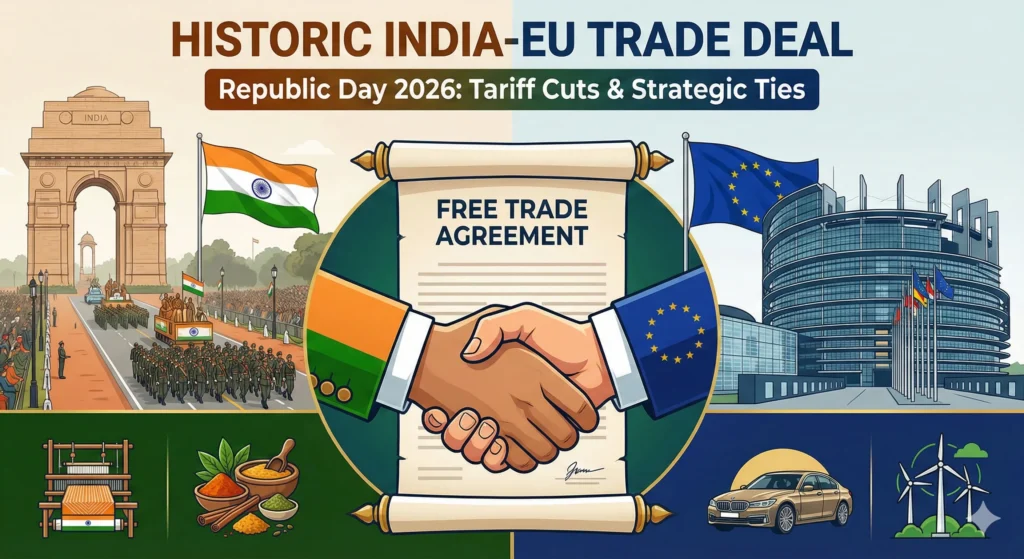
As EU leaders grace Republic Day 2026, the historic India-EU Trade Deal nears conclusion. Discover how tariff cuts on European cars and strategic ties are set to reshape global trade.
Table of Contents
- A Republic Day to Remember: Symbolism Meets Strategy
- The “Mother of All Deals”: Key Highlights
- Breaking Down the Tariff Cuts on European Cars
- Why a “Successful India” Matters to the World
- Conclusion: What This Means for You
The 77th Republic Day celebrations in New Delhi this year were more than just a display of military might and cultural diversity. With European Commission President Ursula von der Leyen and European Council President António Costa attending as Chief Guests, the event marked a pivotal moment in geopolitical history.
Discussions are heating up regarding the long-awaited India-EU Free Trade Agreement (FTA). Being dubbed the “mother of all deals,” this pact promises to unlock billions in bilateral trade. As reports surface about India offering significant tariff cuts on European cars, the world is watching closely.
Here is everything you need to know about this historic development.
A Republic Day to Remember: Symbolism Meets Strategy
The presence of top EU leadership at the Kartavya Path is a strong diplomatic signal. It underscores a shift from simple bilateral relations to a deep strategic partnership.
President von der Leyen’s visit is not merely ceremonial. It coincides with the final stages of negotiations for a trade deal that has been in the works for nearly two decades. The timing suggests that both New Delhi and Brussels are ready to bypass previous stalemates—such as carbon taxes and data protection issues—to prioritize economic growth and supply chain resilience.
Key Takeaway: The 2026 Republic Day visit serves as the perfect backdrop for sealing a deal that aims to reduce dependency on other volatile global markets.
The “Mother of All Deals”: Key Highlights
Trade analysts have termed the India-EU FTA as the “mother of all deals” due to the sheer size of the economies involved. The European Union is already India’s largest trading partner in goods, with trade volumes reaching approximately $136 billion in 2024-25.
What does the deal aim to achieve?
- Zero-Duty Access: India is pushing for duty-free access for its textiles, leather, and jewelry sectors in the lucrative European market.
- Service Sector Growth: Enhanced mobility for Indian professionals (IT, healthcare, and nursing) to work in EU nations.
- Green Technology: Massive European investment in India’s renewable energy and green hydrogen sectors.
Breaking Down the Tariff Cuts on European Cars
One of the most buzzing topics is the potential slash in import duties for automobiles—a sector historically protected by India.
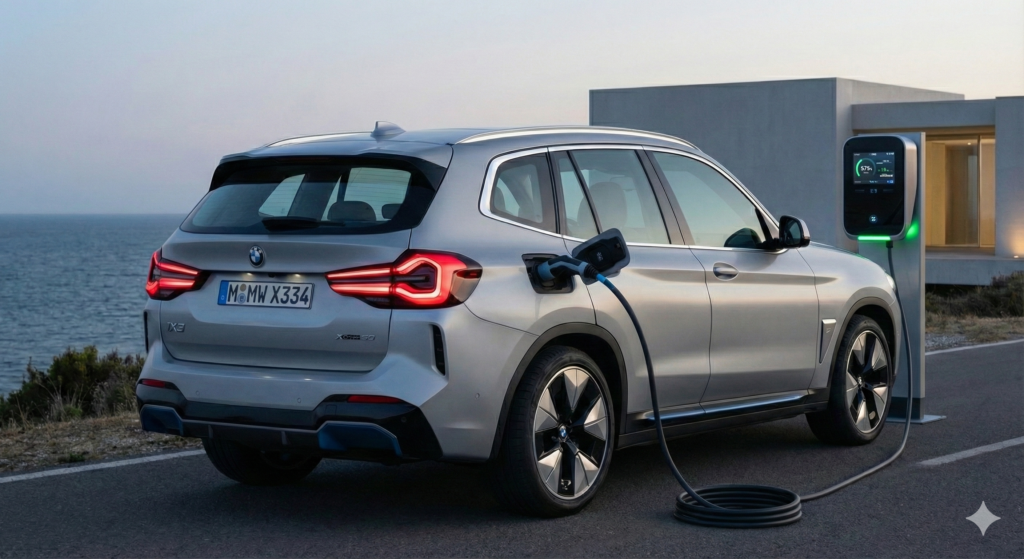
Reports indicate that India is willing to offer significant concessions to European automakers like Volkswagen, BMW, and Mercedes-Benz.
The Proposed Tariff Structure
Currently, India levies import duties ranging from 70% to 110% on fully built imported cars. The new proposal suggests a drastic reduction:
- Immediate Cut: Tariffs may drop to 40% for cars valued above a certain threshold (likely €15,000+).
- Long-Term Goal: A gradual reduction to 10% over the next few years.
- EV Exclusion: To protect domestic manufacturers like Tata and Mahindra, electric vehicles (EVs) might be excluded from these initial cuts for the first five years.
This move could finally make luxury European cars more affordable for the Indian upper-middle class, while pushing domestic manufacturers to innovate further.
Why a “Successful India” Matters to the World
During her visit, President Ursula von der Leyen made a powerful statement that resonated with policymakers worldwide:
“A successful India makes the world more stable, prosperous and secure. And we all benefit.”
This quote highlights the EU’s recognition of India not just as a market, but as a global stability anchor.
- Geopolitical Balance: A strong India balances power dynamics in the Indo-Pacific region.
- Supply Chain Alternative: The EU is actively seeking to diversify its supply chains, moving away from single-source dependencies to a “China Plus One” strategy where India plays a central role.
- Democratic Values: As the world’s largest democracies, the India-EU alignment sends a message of unity against authoritarian regimes.
Conclusion: What This Means for You
The India-EU Trade Deal is poised to be a game-changer. For Indian consumers, it could mean cheaper European cars and high-quality goods. For businesses, it opens the door to a market of 450 million Europeans. For the world, it signifies a stable, rules-based economic order.
As the summit concludes on January 27, we expect official announcements that will cement this partnership for decades to come.
Next Steps for You
- Stay Updated: Subscribe to our newsletter for the official breakdown once the deal is signed.
- Check Market Trends: Watch auto stocks (Tata Motors, M&M) closely this week as they react to the tariff news.
- Join the Conversation: Do you think slashing car tariffs is good for the Indian auto industry? Leave a comment below!