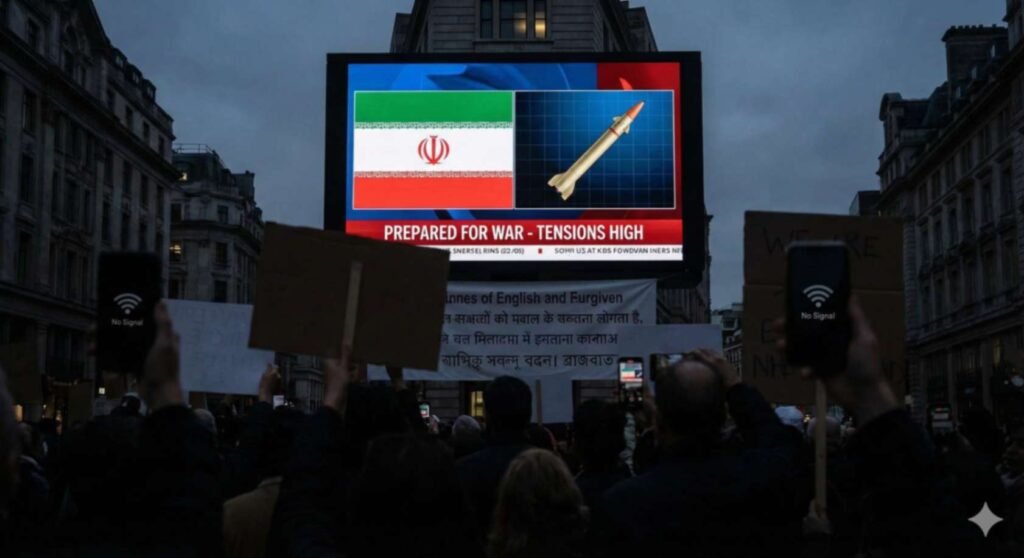
Iran at a Crossroads: Internal Unrest and Global Tensions Mount. The world is currently watching Iran with intense scrutiny as the nation faces a dual crisis of internal instability and escalating external threats. Protests have erupted across the country, signifying a deep-seated unrest among the populace. These demonstrations are unfolding against the backdrop of a severe information blackout, as an internet shutdown has now persisted for over eighty-four hours. This prolonged digital isolation has made it increasingly difficult for citizens to communicate with the outside world and for international observers to monitor the full extent of the situation on the ground, raising serious concerns regarding transparency and human rights during this volatile period.Amidst this domestic upheaval, the geopolitical stakes have reached a fever pitch. The Iranian leadership is navigating a precarious path between diplomacy and defense. The Iranian Foreign Minister recently issued a stark statement, declaring that while the country remains open to negotiations and diplomatic solutions, it is simultaneously fully prepared for war. This rhetoric highlights the fragility of the current situation, particularly as tensions with the United States and Israel remain at historic highs. As the region teeters on the edge of potential conflict, the combination of a silenced population at home and aggressive posturing abroad suggests that the coming days will be critical for the stability of the entire Middle East.
1. The Domestic Powder Keg: Economic Collapse and Protests
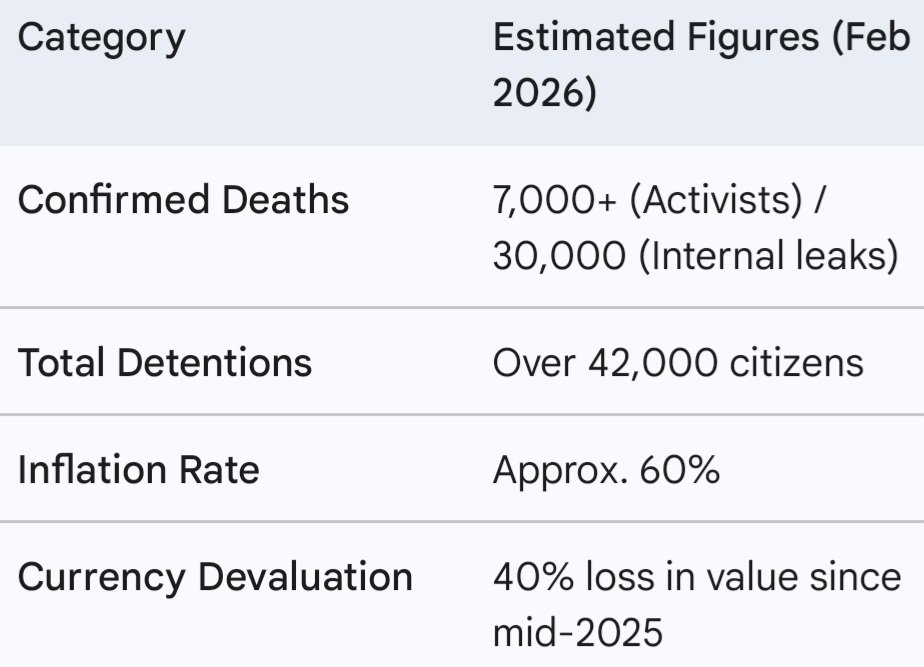
The current wave of internal unrest was ignited on December 28, 2025, sparked not just by political ideology, but by the sheer impossibility of daily survival. With the Iranian rial hitting record lows and inflation soaring past 60%, the “Winter 2026” protests have spread to all 31 provinces.
- Systemic Failure: Decades of mismanagement, coupled with the aftermath of the 2025 military skirmishes with Israel, have left the infrastructure in ruins.
- A “Crisis of Legitimacy”: Unlike previous cycles, the current demonstrations see a rare unity between bazaar merchants, industrial workers, and the youth, all calling for fundamental regime change.
- The Cost of Silence: To maintain control, the regime has implemented a near-total internet blackout, costing the economy an estimated $37 million daily, further fueling the fire of resentment.
2. Global Tensions: The Nuclear Standoff in 2026
While the streets of Iran are in turmoil, the geopolitical stage is equally volatile. Global tensions mount as the U.S. and Iran engage in indirect talks in Geneva and Oman. The stakes could not be higher.
Following the devastating strikes on Iranian nuclear facilities in mid-2025, Tehran has scrambled to rebuild. Reports indicate an “engineering race” to bury nuclear assets deeper underground at sites like “Pickaxe Mountain.”
”We are at a point where diplomacy is the only alternative to a regional conflagration, yet neither side seems ready to blink.” — International Security Analyst.
The Trump administration has signaled a “maximum pressure 2.0” approach, demanding not only a halt to uranium enrichment but also the dismantling of Iran’s ballistic missile program—a “red line” for the Iranian leadership.
3. Human Rights and the Deadly Crackdown
The world has watched in horror as the Iranian security forces, including the IRGC and Basij, responded to the 2026 protests with unprecedented force. Human rights organizations, including Amnesty International, have documented massacres that took place in early January, with death toll estimates ranging from 7,000 to over 30,000.
Key Statistics of the 2026 Crisis
The judiciary’s use of the death penalty as a tool of political intimidation has reached new heights, with trials being expedited to suppress the remaining pockets of resistance in western Iran.
4. Regional Proxies and the “Axis of Resistance”
A significant factor in why global tensions mount is the weakening of Iran’s regional influence. The “Axis of Resistance” has faced significant setbacks:
- Syria: The fall of the Assad regime in late 2024 stripped Iran of a critical land bridge to Lebanon.
- Hezbollah & Hamas: Under intense international pressure and military strikes, these groups are facing internal calls to disarm or integrate into state militaries.
- Maritime Conflict: Iran’s recent threats to close the Strait of Hormuz for “live-fire drills” serve as a reminder that it still possesses the power to disrupt global energy markets.
5. What Lies Ahead for Iran?
As we move further into 2026, the question remains: Can the Islamic Republic survive this dual-front war against its own people and the international community?
Iran at a crossroads: internal unrest and global tensions mount to a level where the status quo is no longer sustainable. The regime is attempting a “survival through camouflage” strategy—offering just enough diplomatic hope to avoid further strikes while doubling down on domestic repression.