The 2026 Health & Fitness Revolution. If you feel like the world of wellness has shifted beneath your feet in the last year, you aren’t alone. Gone are the days when “getting healthy” meant a generic gym membership and a kale salad. In 2026, health is no longer about following the crowd—it’s about following your data.
Welcome to the era of Hyper-Personalized Wellness.
From AI-driven personal trainers that live in your ear to the “analog luxury” movement reclaiming our mental peace, 2026 is shaping up to be the most transformative year for human health yet. Whether you are a biohacking veteran or just looking to feel better in your skin, this guide covers the essential trends defining health and fitness this year.
1. The AI Coach: Your New 24/7 Health Partner
Remember when personal training was a luxury service booked for an hour twice a week? In 2026, Artificial Intelligence has democratized elite coaching.
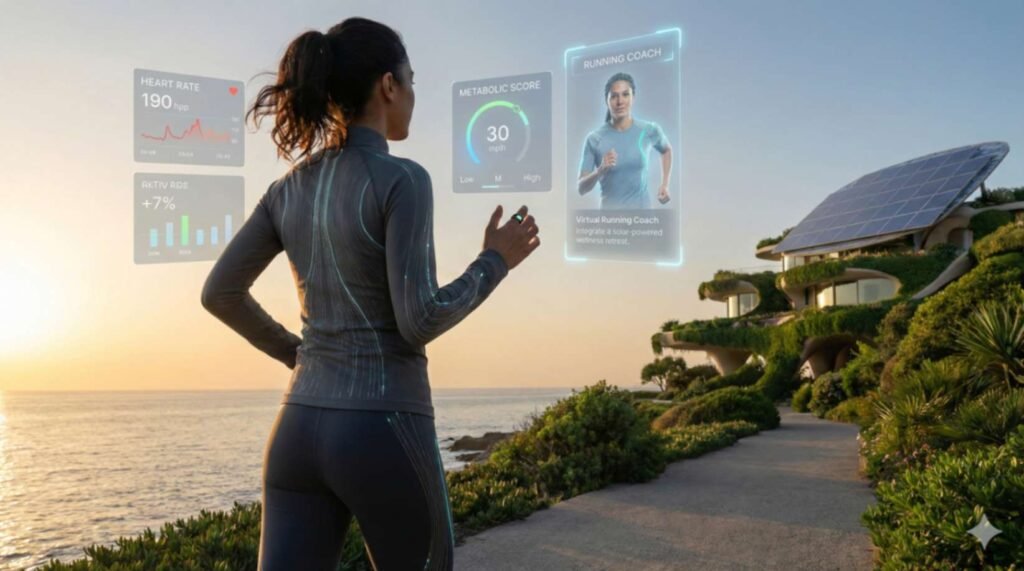
We aren’t just talking about apps that count your reps. The new wave of AI fitness coaching uses computer vision and real-time biometric data to adjust your workout while you are doing it. If your form breaks down on a squat, your AI coach knows instantly and cues a correction. If your heart rate variability (HRV) indicates you are on the verge of burnout, it automatically swaps your HIIT session for a somatic recovery flow.
Why this matters for you:
- Precision: No more “junk volume.” Every rep counts toward a specific biological goal.
- Safety: Real-time form correction drastically reduces injury risk.
- Access: Elite-level programming is now accessible to anyone with a smartphone.
SEO Tip: If you are searching for tools, look for “adaptive AI fitness apps” rather than just “workout trackers.”
2. Wearable 2.0: Beyond the Step Count
Step counters are so 2020. This year, wearable technology has graduated from tracking movement to tracking metabolism.
The biggest breakout star of 2026 is the mainstream adoption of Continuous Glucose Monitors (CGMs) and advanced metabolic sensors for non-diabetics. We are seeing a shift where “metabolic flexibility” is the new six-pack. People are less obsessed with burning calories and more focused on flattening their glucose spikes to maintain steady energy and focus throughout the day.
Smart rings and “invisible tech” (sensors woven into clothing) are also gathering data on:
- Cortisol spikes: Alerting you when you need a breathing break before you even feel stressed.
- Circadian alignment: Telling you exactly when to view sunlight or dim the lights to optimize your sleep cycles.
- Hydration levels: Measuring electrolyte balance in real-time.
3. “JOMO” and the Rise of Analog Luxury
In a world saturated with digital twins and metaverse workouts, a counter-trend has emerged with ferocious popularity: JOMO (The Joy of Missing Out).
Mental health in 2026 is prioritizing disconnection. “Analog” has become a luxury status symbol. We are seeing a surge in “blackout retreats” where devices are confiscated at the door, and social clubs that strictly forbid phones. The focus has shifted from “managing” stress to actively regulating the nervous system through low-tech, high-touch methods.
Trending “Analog” Practices:
- Forest Bathing: Guided immersion in nature is being prescribed by doctors for anxiety.
- Somatic Movement: Exercises focused on internal feeling rather than external aesthetics to release stored trauma.
- Community Dinners: The return of face-to-face, algorithm-free socialization to combat the loneliness epidemic.
4. Longevity with Soul: The “Soft” Biohack
Biohacking used to be synonymous with icy plunges, dozens of supplements, and a rigid, almost robotic approach to life. In 2026, the script has flipped. We are entering the age of “Soft Biohacking.”
The goal is still longevity—living to 100 and beyond—but the method is gentler. It acknowledges that you can’t stress your body into immortality. The focus is on healthspan (how many healthy years you live) rather than just lifespan.
Key trends here include:
- Circadian Fasting: Eating in sync with the sun rather than arbitrary windows.
- Sauna Socials: Using heat therapy as a communal, relaxing activity rather than a solitary endurance test.
- Breathwork 2.0: Moving beyond basic meditation to specific breathing protocols that shift brain states on command.
5. The Ultra-Processed Reckoning
If 2024 was the year of the weight-loss drug, 2026 is the year of the Food Quality Renaissance. There is a massive cultural reckoning happening regarding ultra-processed foods (UPFs).
Consumers are becoming hyper-aware of gut health and the “gut-brain axis.” The trends show a pivot away from “low calorie” or “low carb” labels toward “nutrient dense” and “single ingredient.”
What to watch:
- Regenerative Agriculture: Brands are now highlighting soil health on their packaging, knowing that nutrient-rich soil leads to nutrient-rich food.
- Personalized Nutrition: AI meal planning that scans your gut microbiome data to tell you exactly which fibers your body needs today.
6. Functional Fitness for the Long Haul
The aesthetics-driven “bodybuilding” culture is taking a backseat to Functional Longevity Training. The question isn’t “How much can you bench?” but “Can you get off the floor without using your hands when you’re 80?”
Gyms are redesigning their floors to make space for:
- Mobility Zones: Dedicated areas for joint health and flexibility.
- Grip Strength Stations: Recognized as a key biomarker for aging.
- Balance Training: Using unstable surfaces to train the brain and body connection.
This trend is particularly huge for the 50+ demographic, but younger generations are adopting it early to “pre-hab” their bodies against future decline.
Conclusion: The Future is Human
The overarching theme of health in 2026 is a beautiful paradox: we are using the most advanced technology in history to help us return to our most primal human roots. We use AI to free up time for community. We use data to understand why we need nature.
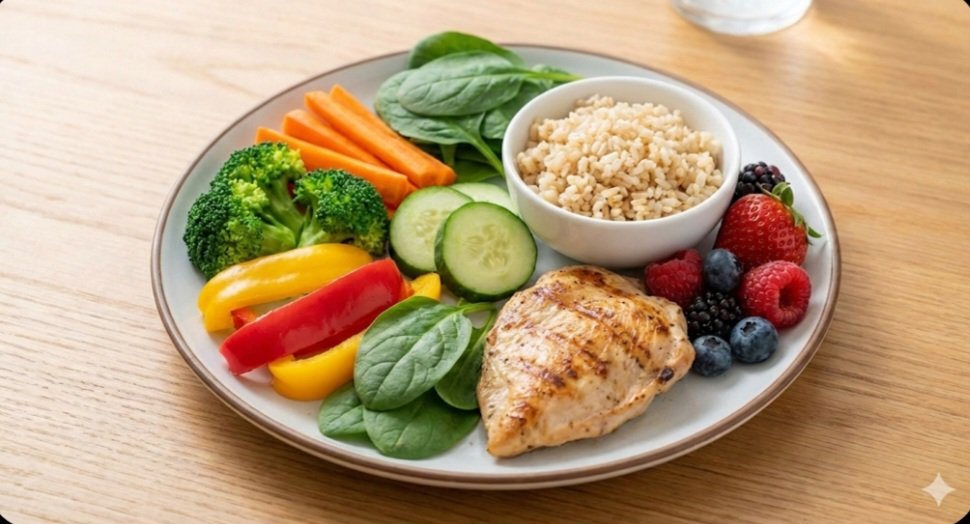
Daily Diet Chart
1. Is AI fitness coaching safe for beginners?
Answer: Yes, and in 2026, it is often safer than training alone. Modern AI coaching apps utilize “computer vision” through your phone’s camera to track your skeletal movement in real-time. This allows the AI to detect poor form—like a rounded back during a deadlift—and instantly cue you to correct it, drastically reducing the risk of injury. However, for those with pre-existing medical conditions, consulting a human physiotherapist or doctor is still the standard first step.
2. Why are non-diabetics using Continuous Glucose Monitors (CGMs)?
Answer: In 2026, the use of CGMs has moved beyond diabetes management into “metabolic optimization.” Healthy individuals use them to see how specific foods affect their energy levels and focus. By keeping glucose spikes flat, you can avoid the mid-afternoon “crash,” reduce brain fog, and improve long-term hormonal health. It’s about personalizing your diet based on your biology, rather than generic advice.
3. What is the difference between “Biohacking” and “Soft Biohacking”?
Answer: Traditional biohacking often focuses on extreme optimization—think ice baths, rigorous supplement stacks, and strict deprivation. Soft Biohacking, the major trend of 2026, focuses on consistency and harmony with the body’s natural rhythms. Instead of shocking the system, it prioritizes circadian alignment (light exposure), nervous system regulation (breathwork), and nutrient density. It is the sustainable, long-term approach to longevity.
4. How can I practice “JOMO” (Joy of Missing Out) if I work online?
Answer: You don’t need to quit the internet to practice JOMO. Start with “digital sunsetting”—turning off screens one hour before bed to protect your melatonin levels. Another popular 2026 practice is the “Analog Weekend Morning,” where you delay turning your phone on until noon on Saturdays, using that time for nature walks, reading physical books, or cooking. It is about creating intentional boundaries, not total isolation.
5. What is the single best exercise for longevity?
Answer: While there is no “magic bullet,” 2026 research heavily points to Grip Strength and Mobility as the top indicators of a long healthspan. Combining resistance training (lifting weights) with functional mobility work (movements that maintain your range of motion) ensures you remain independent and active well into old age. The goal is “functional capacity”—the ability to interact with the world freely.